 صحيفة سودان بيزنس الاقتصادية صحيفة سودان بيزنس الاقتصادية


A Beginner’s Guide to Online Navigation
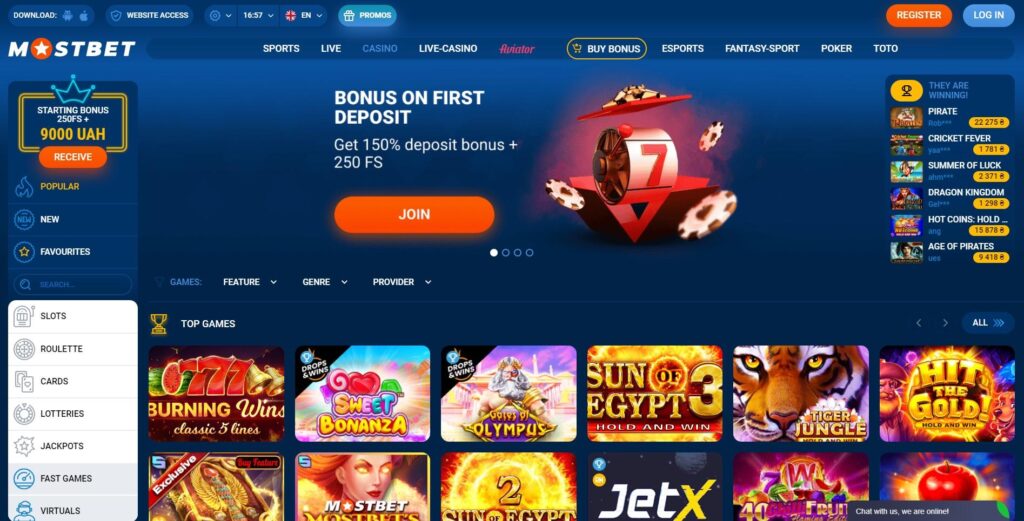
In today’s digital age, navigating the vast world of the internet can be overwhelming for many newcomers. However, with the right guidance, anyone can become proficient in online navigation. This article serves as a comprehensive beginner’s guide, equipped with essential tools, resources, and tips to enhance your online experience. Whether you’re looking to connect with others, engage in online commerce, or simply seek out information, the internet is a treasure trove of opportunities. One such platform that offers numerous functionalities is A Beginner’s Guide to Online Casinos in Bangladesh Mostbet, which combines entertainment with opportunities for financial engagement. Let’s dive into the basics of online navigation!
Understanding the Basics of the Internet
The internet is a network of interconnected computers that communicate with each other. It serves as a platform where people can share information, conduct business, and connect with one another. Understanding how the internet works is the first step in becoming a savvy online navigator.
What is a Web Browser?
A web browser is a software application that enables you to access the internet and view websites. Popular web browsers include Google Chrome, Mozilla Firefox, Safari, and Microsoft Edge. Each browser has its unique features, but they all serve the same primary purpose: to allow users to navigate the web easily.
Basics of URL and Website Structure
A URL (Uniform Resource Locator) is the address of a specific webpage. Understanding URLs is crucial for effective navigation. Each URL is divided into parts: the protocol (e.g., http or https), the domain name (e.g., example.com), and the path (e.g., /folder/page.html). Knowing how to interpret URLs helps users direct themselves to the correct website.
Searching for Information Online
With millions of websites available, knowing how to search effectively is an invaluable skill. Search engines, like Google, Bing, and Yahoo, are your best friends when it comes to finding specific information.
Using Search Engines Effectively
To maximize search engine results, use specific keywords related to your inquiry. Instead of searching for “weather,” try “Los Angeles weather forecast.” Additionally, utilizing quotation marks around phrases can yield more precise results. If you’re looking for scholarly articles, consider using Google Scholar for academic research.
Online Safety and Security
While the internet opens up countless opportunities, it also presents risks. Therefore, being aware of online safety and security is essential.
Understanding Cybersecurity Basics
Cybersecurity refers to the protection of internet-connected systems from cyber threats. Basic security practices include:
- Using strong passwords and changing them regularly.
- Enabling two-factor authentication whenever possible.
- Being cautious of phishing emails that attempt to steal personal information.
Exploring Online Communication
Online communication has revolutionized the way we connect with others. From social media platforms to email, there are various ways to engage with friends and strangers alike.
Social Media
Platforms like Facebook, Twitter, and Instagram allow you to connect with others, share content, and express your opinions. While social media is a great tool for communication, be mindful of the information you share and the potential for negative interactions.
Email Communication
Email is a more formal method of communication frequently used for personal and professional correspondence. Popular email providers include Gmail, Yahoo Mail, and Outlook. To ensure efficient email communication:
- Use clear subject lines that summarize your message.
- Be concise and respectful in your writing.
Engaging in Online Commerce
Online shopping has become increasingly popular, with numerous platforms available to make purchasing goods easy and convenient. Here are some essentials for safe online shopping:
Researching Products and Services
Before making a purchase, read reviews and compare prices across different retailers. Websites like Amazon, eBay, or specialized online stores can provide valuable information. Checking for secure payment gateways and return policies is also crucial.
Understanding Online Payments
Various payment methods are available for online transactions, including credit/debit cards and services like PayPal or Apple Pay. Ensure that the website you are purchasing from is secure by looking for the HTTPS prefix in the URL.
Managing Your Online Presence
Your online presence reflects who you are, both personally and professionally. It is essential to manage your digital identity actively.
Setting Privacy Settings
Most social media platforms offer privacy settings that allow you to control who sees your content. Familiarize yourself with these settings to protect your personal information and maintain your desired level of privacy.
Continuous Learning and Exploring Online Resources
The internet is continuously evolving, and new resources emerge regularly. Engaging in online courses, webinars, and tutorials can help you increase your skills and knowledge. Websites like Coursera, edX, and Khan Academy offer valuable learning opportunities.
Conclusion
Navigating the online world as a beginner can be daunting, but by following the tips and guidelines outlined in this article, you can become a confident and proficient internet user. From understanding how to search information effectively to prioritizing online safety, every step will enhance your online experience. Remember, continuous learning is key to staying updated in this ever-evolving digital landscape.