 صحيفة سودان بيزنس الاقتصادية صحيفة سودان بيزنس الاقتصادية

The historical evolution of gambling from ancient rituals to modern practices
Ancient Beginnings of Gambling
The origins of gambling can be traced back to ancient civilizations where it was intertwined with religious and cultural rituals. Archaeological findings suggest that as early as 5,000 years ago, the Chinese were using rudimentary forms of dice made from bone, while the Greeks and Romans engaged in betting during sporting events. These early forms of gambling were often linked to spiritual beliefs, with participants wagering not just material possessions but also their fate; today, some people enjoy playing at a real money online casino for thrilling experiences.
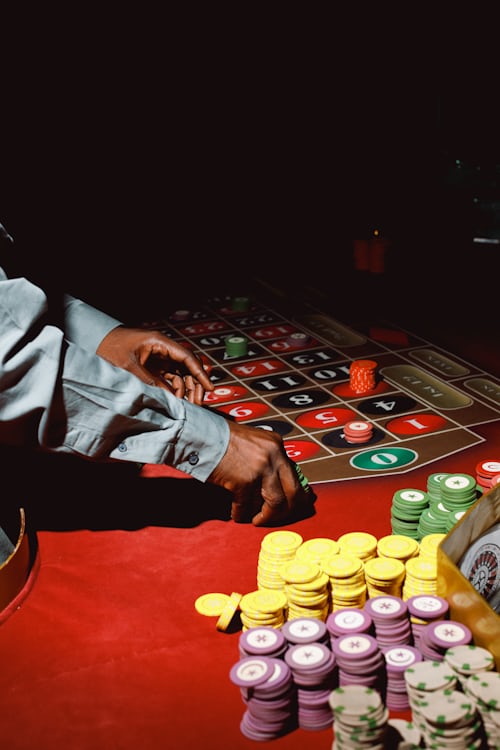
In ancient Egypt, gambling took a different turn with the introduction of games of chance, which were often played during religious festivals. The act of gambling was perceived as a way to appease the gods, and offerings were made in hopes of favorable outcomes. This blend of chance, belief, and ritual laid the groundwork for gambling’s evolution, showcasing its deep-rooted significance in human history.
The Middle Ages and its Impact on Gambling
The Middle Ages marked a transformative period for gambling as various forms became more structured. Games such as chess and backgammon emerged, signifying a shift from purely chance-based activities to strategy-based competition. Gambling houses began to appear in Europe, providing a venue for people to engage in betting, while the Church often condemned these activities, viewing them as immoral.
Despite religious opposition, gambling thrived during this time. The introduction of playing cards in the 14th century revolutionized the gambling landscape, leading to the establishment of many popular games still played today. This era set the stage for gambling to become not only a leisure activity but also a form of social interaction across different classes.
Gambling in the Modern Era
The 18th and 19th centuries saw significant advancements in gambling, particularly with the rise of casinos in Europe and the United States. The establishment of Monte Carlo as a gambling destination in the 19th century attracted the elite and facilitated a glamorous image of gambling. This era introduced organized betting on horse races and the first state-sponsored lotteries, further legitimizing gambling activities.
As laws surrounding gambling began to evolve, a greater acceptance emerged, allowing for the establishment of regulated establishments. This shift paved the way for a myriad of gambling options, from poker to blackjack, all contributing to the dynamic gambling culture seen today.
The Digital Revolution and Online Gambling
The advent of the internet marked a seismic shift in how gambling is perceived and conducted. Online gambling platforms emerged in the late 1990s, allowing players to engage in various betting activities from the comfort of their homes. This accessibility democratized gambling, attracting a diverse demographic and leading to the growth of virtual casinos, sports betting websites, and online poker rooms.
Technological innovations further enhanced the online gambling experience, with live dealer games and mobile applications making it easier than ever for individuals to place bets. However, the rise of online gambling has also prompted regulatory challenges as governments seek to ensure fair play and consumer protection, reflecting an ongoing tension between innovation and regulation.

Ensuring Safety in Modern Gambling Practices
As gambling has evolved, so has the need for security and protection for users engaging in both online and offline practices. Modern gambling establishments and platforms prioritize safeguarding sensitive information, implementing robust security measures to combat threats. This commitment to security is crucial in maintaining trust and integrity within the gambling community.
Websites dedicated to promoting safe gambling practices provide valuable resources, educating users on potential risks and offering guidance on responsible gaming. By fostering awareness and understanding, the gambling industry aims to create a safe environment for all participants, ensuring that the excitement of gambling does not compromise individual safety and well-being.